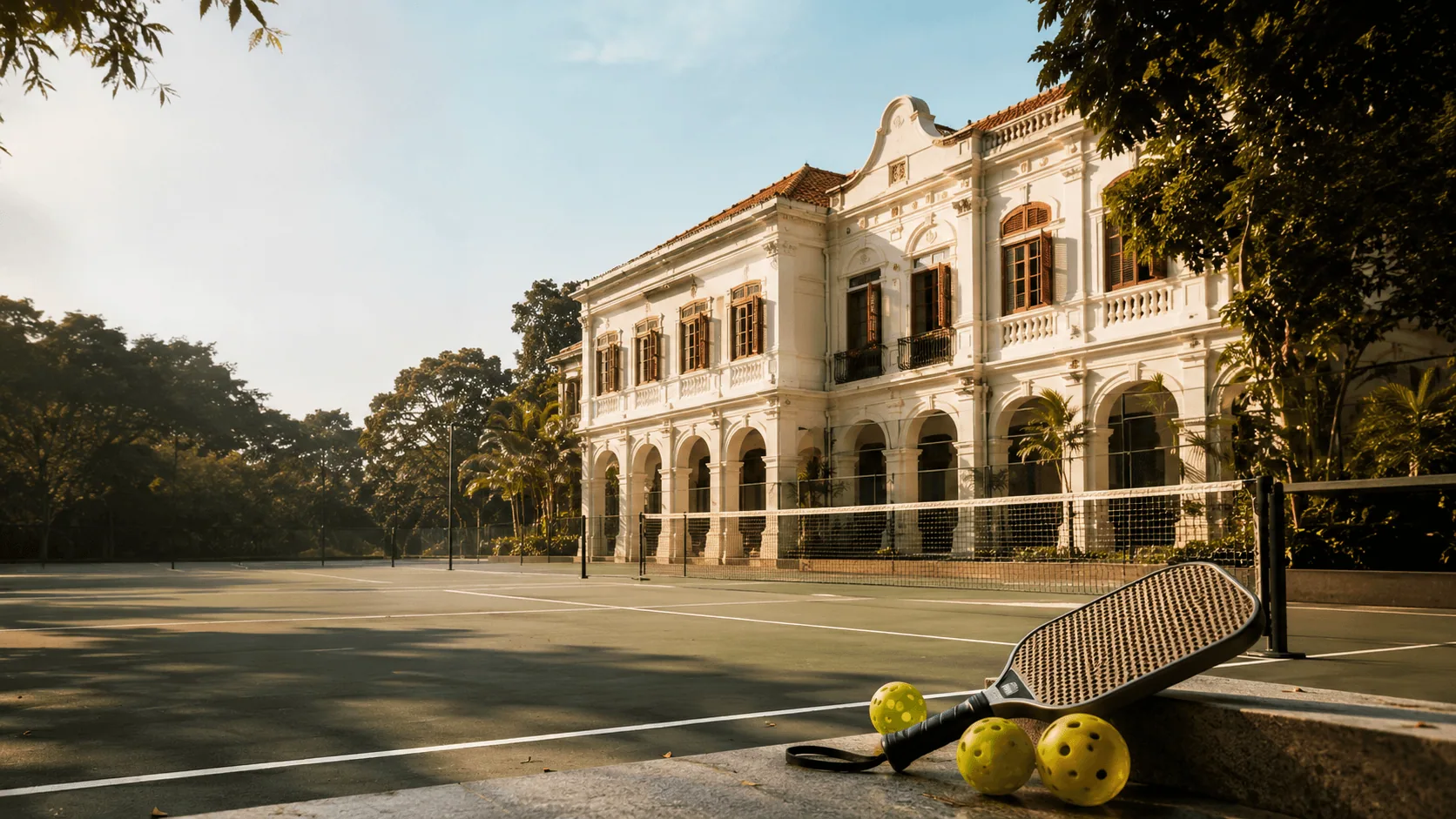
Understanding Pickleball Rules
Pickleball, a popular paddle sport, combines elements of badminton, tennis, and table tennis. Originating in the 1960s, it has exploded in popularity due to its accessibility and fast-paced nature. Understanding the pickleball rules is essential for players at all skill levels, as it helps create a fair and enjoyable playing environment. This article focuses specifically on the rules surrounding the kitchen, serving mechanics, and common faults encountered during play.
The foundation of pickleball rules is established by the USA Pickleball Association (USAPA). While the sport's basic rules are simple, nuances exist that can confuse newcomers. Every player should familiarize themselves with these basic rules to enhance their gameplay and contribute positively to their playing circle.
As many players discover, the learning journey in pickleball is ongoing. As one plays more games and practices, an understanding of these rules deepens, opening up strategies and approaches that can elevate one’s game. This is particularly true for the nuanced areas like the kitchen and serving behaviors that can really define play.
The Kitchen Area in Pickleball
The 'kitchen' in pickleball refers to the non-volley zone, which is a critical area on the court. This zone extends seven feet from the net on both sides and is designed to enhance strategic play. Players cannot volley the ball while standing inside this zone, which means they must let the ball bounce before returning it if they are in the kitchen.
Understanding the kitchen rules is vital since several faults stem from violations in this area. For example, if a player hits the ball while standing in the kitchen or steps into it to volley a ball, this results in a fault. Being aware of your positioning is crucial, especially during fast exchanges at the net. This brief overview of kitchen rules segues into a deeper strategic understanding of how best to utilize this area.
Players often find themselves challenged when the ball approaches the kitchen at high speed, and processing whether to let it bounce or try a volley can differentiate experienced players from newcomers. While beginners may feel compelled to rush into the kitchen, seasoned players know how to gauge the situation, assessing the ball’s trajectory, their opponent’s position, and their own readiness to return the shot.
Strategic Positioning in the Kitchen
To maximize performance in the kitchen, strategic positioning is vital. Players should practice the ability to move quickly in and out of this zone. For example, if a player receives a high shot that they can return as a volley, advancing into the kitchen can cut off angles for their opponent, making it harder for them to react subsequently.
In contrast, if returning a lower shot, players should anticipate moving back towards the baseline for a bounce as this provides more time to handle the next move and reduces the potential for a fault. Understanding these dynamics allows players to harness the unique structure of the non-volley zone to their advantage.
Serving in Pickleball
Serving in pickleball sets the tone for each rally and is an area rich with specific rules. To serve correctly, a player must stand behind the baseline, ensuring that their feet do not touch the court until the ball is struck. The server must hit the ball underhand and below their waist, and the serve should land in the diagonal service box opposite them.
To ensure proper serving techniques, players often practice their serves consistently. Different serving styles—such as spin serves or deep serves—can affect opponents’ returns. Mastering various serve techniques can be the key to keeping an opponent off-balance and can significantly shift the dynamics of play.
Exploring Different Serving Techniques
There are several strategic serving techniques players can develop to improve their game. The standard underhand serve is the most common and often the most effective, especially among beginners, as it requires less precision and offers a higher chance for a successful placement.
For those looking to challenge their opponents, a slice serve can be highly effective. By hitting the ball at an angle and spinning it to one side, players can create tricky bounces that deviate from the expected path. Another unique technique is the lob serve, aimed high over the net, often catching players off-guard or forcing them into a difficult return from the back of the court.
Regardless of the chosen technique, all players should remain aware of the two-bounce rule associated with serving. This states that both the serve and the first return of serve must be allowed to bounce before either side can begin volleys. This rule is pivotal in promoting rallies, as it prevents immediate net play following a serve.
Faults in Pickleball
A fault occurs when a player violates any of the pickleball rules, resulting in a loss of serve or point. Common scenarios leading to faults include serving the ball out of bounds, hitting the net with the paddle, or stepping into the kitchen to execute a volley. Understanding the faults is crucial for improving gameplay, as it helps players identify gaps in their strategy.
For newer players, this knowledge often comes through experience. Players may not realize initially the need to be careful about foot placement on the court or the area they are standing in when hitting the ball. Regular errors can lead to frustrating situations where players continue to lose serves or points unnecessarily.
Understanding Key Faults
Some faults may seem minor but can significantly impact the outcome of a match. For instance, a serve landing out of bounds is a frequent occurrence among beginners. This happens when players misjudge the distance or angle—consistent practice in targeted areas can minimize this risk.
Similarly, many players unintentionally fail to check their paddle position. If it makes contact with the net during a rally, it results in an immediate fault. Cultivating awareness can be incredibly beneficial, as simple adjustments can lead to more consistent performance.
Common Faults While Serving
Several common faults can occur during the serving phase of pickleball, leading to unnecessary points lost. One frequent error is the foot fault, which happens if the server steps on or over the baseline before making contact with the ball. This infraction is easily avoidable with conscious effort and practice.
Another notable fault is serving the ball into the wrong service box. It's essential for the server to ensure their serve lands in the diagonally opposite service area. A miscalculated serve can provide the opposing team an easy opportunity for a point.
Finally, mishitting the ball can lead to faults. Players may hit the ball too late or make improper contact, sending it into the net or over the baseline. Practicing different serving styles in varied situations can help build the necessary skills to make quick adjustments.
Strategies to Avoid Faults
To perform effectively in pickleball, players can benefit from a variety of strategies aimed at reducing the risk of faults. One essential tip is to maintain proper foot positioning during serves. Ensuring that players' feet remain behind the baseline until after contact is critical for consistency.
Regular practice in a controlled environment can also help. By isolating serving drills, focus can be maintained on the footwork and contact point without the distraction of an active rally. Breaking down the serving motion into slow, deliberate movements can enhance muscle memory and lead to improved performance.
Match Simulations
Engaging in match simulations can greatly benefit players in recognizing their patterns of mistakes. By playing against others in a controlled environment, players can evaluate how they react to serve situations and notice when faults occur. Analyzing these moments collaboratively can foster improvements in play.
Video analysis can be another useful tool. Recording practice sessions or matches allows players to review specific instances of faults and become more aware of their movements. This approach provides the dual benefits of self-examination and the opportunity to spot trends that may require adjustment.
Pickleball Rules Summary
The unique rules of pickleball surrounding the kitchen, serving mechanisms, and common faults create an engaging and structured gameplay environment. Understanding these regulations helps players develop both skills and strategies essential for successful matches. Whether you are new to pickleball or a seasoned player, being aware of the nuances of these rules can significantly enhance your performance and enjoyment of the sport.
As players become more familiar with the intricacies of their sport, they often find themselves engaged not only in better gameplay but also in an enriched understanding of pickleball as a whole. From the foundational aspects of serving to the tactical use of the kitchen area, learning the rules is an ongoing adventure that can lead to a rewarding competitive experience.
Ready to play at Heritage Courts?
Book a pickleball or padel court in George Town, or explore our academy programmes.