Court Size
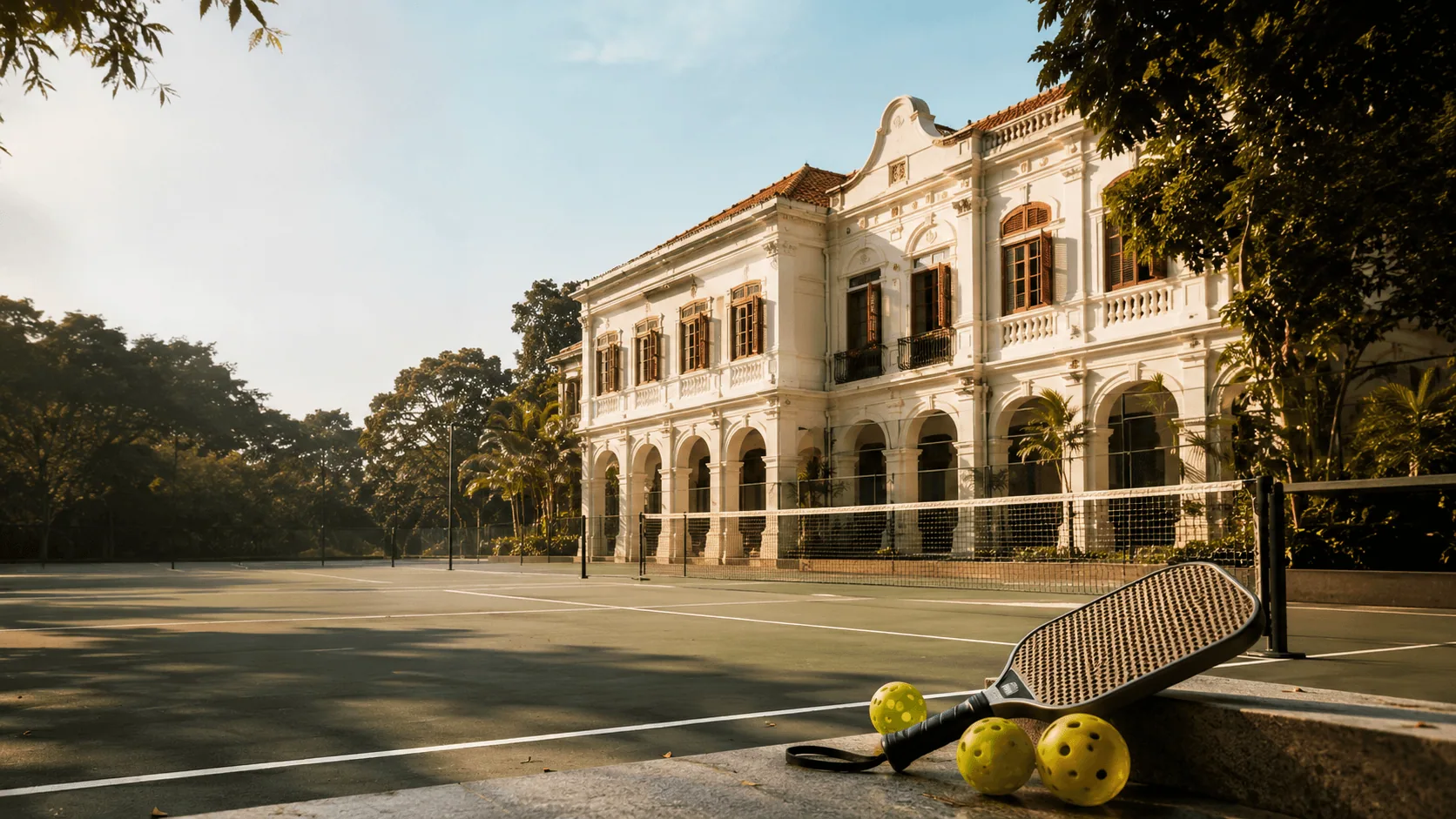
The first major distinction between pickleball and tennis lies in the size of the courts they play on. A standard tennis court measures 78 feet long and 36 feet wide for doubles matches, while a pickleball court is notably smaller, measuring only 44 feet long and 20 feet wide. This difference in dimensions can affect gameplay strategy and the level of physical exertion required when playing. The smaller court size in pickleball means that players often experience a more intimate style of play, which may benefit beginners looking for a less overwhelming experience.
Additionally, the smaller court size contributes to higher frequencies of rallies since there’s less ground to cover. For example, a typical rally in tennis may see players engaging in long, strategic exchanges, while a pickleball exchange often consists of more rapid-fire volleys. This aspect can make pickleball seem less daunting for new players, as the pace of play is generally more manageable.
Moreover, both sports have different net heights. For tennis, the net is set at 3 feet 6 inches at the posts and 3 feet in the middle. Conversely, the pickleball net stands at 36 inches on the ends and 34 inches in the middle. This variation in net height can influence how players approach their shots and strategize their plays during matches. The nature of the net also influences the ball trajectory; a lower net in pickleball often allows players to take more aggressive shots, while the tennis net height can require greater precision on serves and volleys.
Equipment
When it comes to equipment, there are significant contrasts between pickleball and tennis. Tennis players use rackets that are larger and heavier, ranging from 10 to 12 ounces, and typically have a string bed that allows different styles of play. Pickleball paddles are more lightweight, usually between 7 to 8 ounces, and are made from solid composites or wood, which gives a distinct feel when striking the ball.
The choice of equipment influences gameplay significantly. For instance, tennis rackets allow players to generate topspin and slice effects due to the strings, which can create complex trajectories during play. In contrast, pickleball paddles provide a solid surface for more straightforward shots, often making it easier for beginners to focus on technique rather than complicated spins.
The balls used in each sport also vary greatly. Tennis employs felt-covered rubber balls, which are designed to bounce high and have a quick pace. The bounce and speed of tennis balls make it suitable for a diverse array of plays, allowing for fast exchanges and powerful serves. In contrast, pickleball balls are made from hard plastic with holes, resembling whiffle balls, leading to a lower bounce and slower pace of play. This allows newer players to react more easily and gives them a greater chance to return shots, making the initial experience more positive.
Scoring System
Another critical difference revolves around the scoring systems used in each sport. Tennis employs unique scoring that goes from 0 to 15, 30, 40, and then to game point, introducing complexities with advantages and deuces during matches. The 15-point increments can be confusing for newcomers who may not be used to this method. For example, if the score is deuce (40-40), a player must win two consecutive points to win the game instead of one, extending the duration of play significantly.
In contrast, pickleball features a simpler scoring system, primarily based on a traditional rally scoring method where points can be scored by the serving or receiving side. Players compete to 11 points and must win by at least two points. This straightforward approach often attracts newbies who find it less daunting to learn and play compared to the complex scoring of tennis. The clarity of scorekeeping in pickleball creates an enjoyable experience, allowing players to focus more on strategy and social interactions rather than worrying about the scoring intricacies.
Gameplay Style
The gameplay styles of pickleball and tennis also present notable differences. Tennis matches often involve long rallies and require players to cover more ground due to the expansive court size. This can lead to a higher degree of fitness being necessary for tennis players, as they must maintain stamina and speed throughout matches that can become lengthy. Typically, tennis games can last anywhere from 30 minutes to several hours, depending on the skill level and competitiveness of the players.
In comparison, pickleball matches tend to be more fast-paced, with quicker exchanges and shorter rallies, thanks to the smaller court size. Players often find themselves at the kitchen line (the area near the net) engaging in quick volleys. This can make pickleball an accessible choice for those seeking a less physically demanding sport while still providing opportunities for strategic play. A match can often take between 15 and 30 minutes, so players looking for a quicker yet engaging game may prefer pickleball.
Moreover, the concept of the "kitchen" in pickleball—an area near the net that players cannot enter unless the ball bounces in the area first—encourages a unique style of play. Players need to think critically about positioning and shot placement, as aggressive volleys can easily lead to faults if not executed carefully. This strategic layer adds an interesting dynamic that can be appealing to both new players and seasoned athletes alike.
Player Movement
Player movement differs between pickleball and tennis, which can affect how comfortable newcomers feel participating in each sport. In tennis, players often find themselves executing long sprints or lateral movements across the court to reach balls, necessitating more extensive aerobic and agility training. This requirement can be intimidating for beginners, as mastering such skills often takes time and patience.
The physical demand in tennis can lead to frequent injuries, especially if players are not conditioned adequately. Additionally, the demands of court coverage in tennis often require a more developed overall fitness level, which may deter some new players. Many newcomers may feel overwhelmed if they struggle with movement and positioning during lengthy matches.
In contrast, pickleball typically requires less extensive movement. The court’s smaller dimensions mean players can quickly react to shots without the need for lengthy sprints. Many new players appreciate this aspect, as they can enjoy the game without feeling overwhelmed by the need for superior endurance or speed. This aspect allows more casual players to experience success early on, which is instrumental in fostering continued participation and enjoyment.
Social Aspects
Both sports exhibit social dynamics that can appeal to different player demographics. Tennis has a longstanding reputation for being a competitive sport often associated with a more tradition-focused environment. While social play exists, tennis clubs may sometimes feel exclusive, especially for newer players looking to break into the sport. Established players may have familiar inner circles, making it difficult for newcomers to engage fully.
On the contrary, pickleball has gained immense popularity in recent years, particularly in community settings. The game promotes a friendly, social atmosphere, attracting players of varying skill levels and ages. Many local communities organize open sessions where players can drop in, making it a more welcoming option for beginners who thrive in a cooperative environment. These social gatherings can foster friendships beyond the sport itself, as players share experiences and learning exchanges.
Moreover, the smaller court also lends itself to more conversational interactions during games, enhancing overall enjoyment and camaraderie among players. Tournaments often focus on having fun rather than just winning, which encapsulates the spirit of pickleball—a community-oriented sport inviting to everyone.
Learning Curve
Finally, the learning curve for both sports can have a significant impact on new players deciding between pickleball and tennis. Tennis generally presents a steeper learning curve, stemming from its complex rules, diverse shot-making techniques, and movement requirements. Beginners may require more time and practice to develop proficiency in their performance on the tennis court. Players must learn how to serve effectively, master spin shots, and develop a strong net game, which collectively can consume considerable practice time.
In contrast, pickleball is recognized for its quick learning curve. New players often find it easier to pick up the fundamental skills of serving, returning, and volleying with just a few instructional sessions. The need for precision is still there, but the fewer techniques to master means players can enjoy the game more quickly. This ease of learning can foster a more enjoyable initial experience while encouraging newcomers to stick with the sport as they become more proficient and engaged.
The accessibility of instruction resources such as YouTube tutorials, local clinics, and community programs also contributes to the rapid learning curve in pickleball. With more players advocating for an inviting environment, the game's simplicity and ease attract those looking for leisurely yet skillful play.
Playing Environment
The playing environment also influences how players experience each sport. Tennis is often played in more formalized settings, such as established clubs or parks that provide well-maintained courts. This can come with membership fees or hourly rates, making it less accessible for some potential players. Moreover, since many tennis courts are outfitted for night play, scheduling matches can become complicated, especially during peak hours.
On the other hand, pickleball can be played in a variety of environments, as many community centers, gyms, and schools increasingly offer regulated pickleball setups. Players might even play at residential driveways or local parks by utilizing chalk lines or temporary nets, enhancing accessibility. This informal nature means players can be more flexible with when and how they play, adapting to routines more easily.
Furthermore, the growing popularity of pickleball has led to dedicated facilities, with many communities investing in infrastructure. Therefore, there’s often a friendly atmosphere and integrated play opportunities. While tennis courts may cater to those seeking formal leagues or tournaments, pickleball environments foster an engaging mix of recreational play that invites players of all skill levels.
Ready to play at Heritage Courts?
Book a pickleball or padel court in George Town, or explore our academy programmes.