Indoor Pickleball Courts
Indoor pickleball courts are typically located in sports complexes, gymnasiums, or community centers. These facilities offer a controlled environment, allowing players to enjoy games regardless of external weather conditions. One significant advantage of playing on indoor courts is this stability; you can play rain or shine, keeping the game running smoothly all year long.
The design and quality of indoor courts can vary widely. Many facilities feature polished wooden floors or specialized synthetic surfaces like vinyl, designed to provide a good grip and reduce wear on the body. The smooth surfaces allow players to move quickly and confidently, enhancing overall performance. With better bounce consistency, players can develop their technique without worrying about unexpected surface variations.
Aside from the physical aspects, the social environment in indoor facilities is often supportive. Many regions offer scheduled playtimes where regular players gather, creating a sense of community. Players can forge friendships, share strategies, and play at various skill levels. Additionally, organized leagues often take place in these environments, allowing for competitive play among enthusiastic participants.
However, indoor courts might come with limitations. For instance, due to reservation requirements at some locations, you may need to plan your visits and secure court time ahead of time. This can be an inconvenience for those who prefer spontaneous or casual games. While the controlled environment provides consistency, it might limit the authentic feel of being outdoors, especially for players who thrive on natural settings.
Outdoor Pickleball Courts
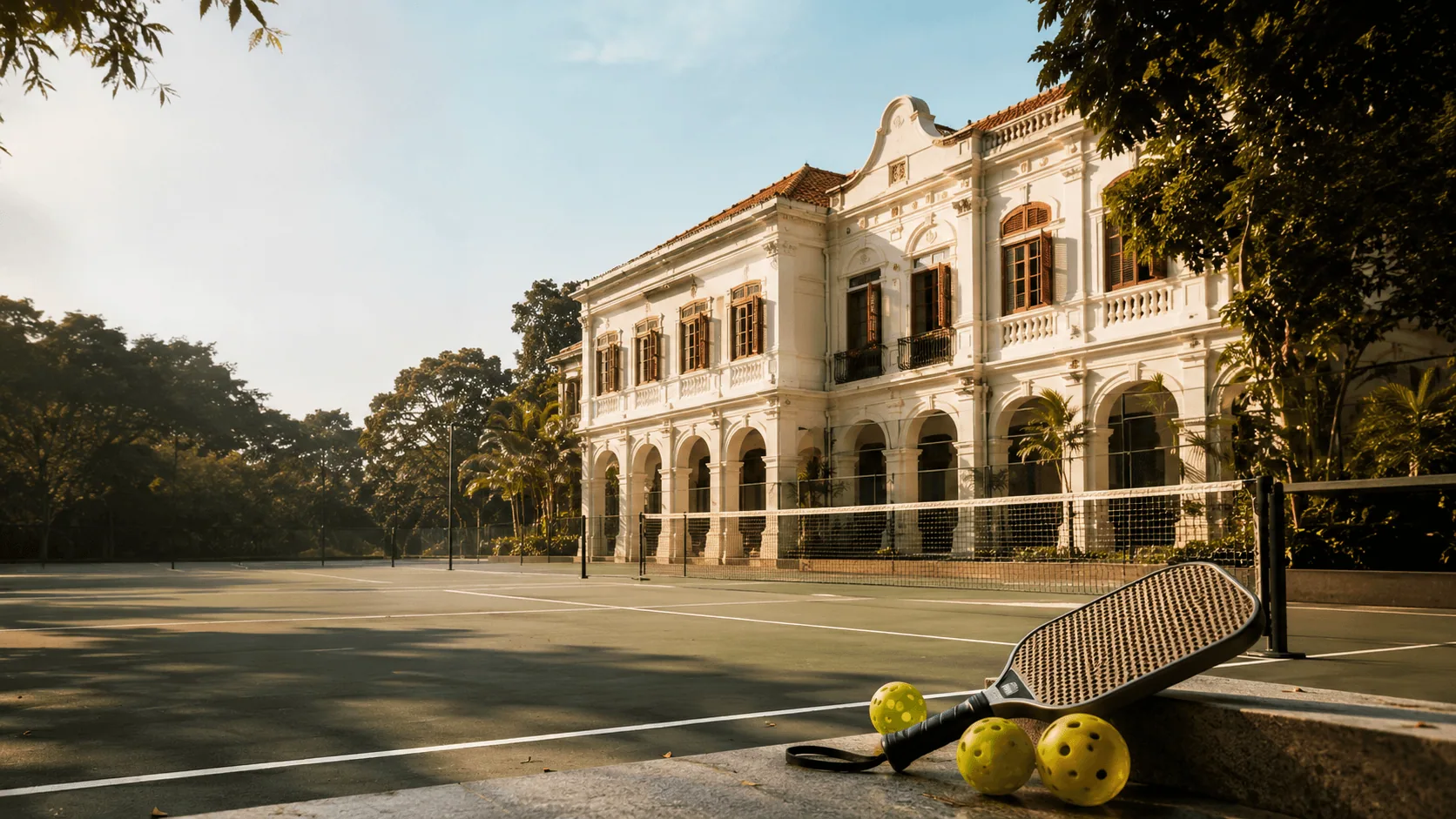
Outdoor pickleball courts are typically found in parks, schools, and dedicated sports facilities. Being outdoors offers players an opportunity to connect with nature while enjoying their games. The open air, fresh breeze, and sunlight can contribute to a vibrant playing experience, attracting many players to seek outdoor options.
Outdoor courts are often made from concrete or asphalt surfaces. While these materials are more durable and can withstand harsh weather conditions over time, they tend to impact ball bounce and speed differently compared to indoor surfaces. Players may notice that the ball skids more on hard outdoor surfaces, which requires some adjustment to playing techniques. Newer players might face challenges with ball control, but with practice, outdoor skills can develop significantly.
Another appealing aspect of outdoor courts is the social atmosphere. Players typically gather in public spaces, leading to a more casual, community-oriented approach to the game. Larger gatherings may take place, making it a great venue for friendly competition or simply enjoying a relaxed day with friends and family.
However, outdoor pickleball is not without its challenges. Weather fluctuations can cause games to be canceled unexpectedly due to rain, high winds, or extreme temperatures. Players might have to contend with sun glare during certain times of the day, which can affect visibility. These unpredictable elements require adaptability, and players may find themselves needing to adjust both strategies and timing for optimal play.
Pros and Cons of Indoor Courts
Indoor pickleball courts present numerous advantages that many players appreciate. The most significant benefit is the consistent playing environment. Players can enjoy stable conditions without worrying about rain, wind, or sunlight, which is particularly beneficial during extreme weather conditions.
Indoor facilities often come equipped with exceptional lighting and climate control, creating a comfortable environment that helps maintain focus. The control over temperature and humidity reduces the risk of injuries that might result from playing in severe heat or cold, allowing players to enjoy longer sessions without discomfort.
Another important factor is the community vibe often present in indoor courts, where regulars become familiar with each other, fostering a sense of camaraderie. Regular leagues and tournaments create opportunities for players to test their skills and compete in a structured setting.
On the flip side, there are some restrictions associated with indoor courts. Costs may be higher due to facility maintenance and operational fees, which can detract casual players. Users may also need to pay membership fees or hourly rates, making frequent play more expensive.
Indoor Court Conditions
The conditions on indoor courts are typically consistent, with predictable ball bounces and a stable playing surface. Additionally, players enjoy better sound acoustics, which allows for clear communication during games. The opportunities to practice strategies without interruptions from outside factors can enhance players’ skills while instilling confidence in their gameplay.
Furthermore, many indoor facilities are accessible year-round, providing ample opportunity for skill development and social interaction. Programs focused on coaching and novice player inclusivity are often available, encouraging new participants to join the ranks of pickleball players.
Pros and Cons of Outdoor Courts
Outdoor pickleball courts offer unique advantages that many players find appealing. The most prominent is the connection to nature, as playing outside promotes well-being and relaxation. The enjoyment of warm sunshine and fresh air can enrich the overall game experience.
Outdoor courts typically provide ample space for players, making it easier to play more casually with larger groups. This social aspect leads to gatherings that enrich community ties through shared experiences and friendly competition.
Nevertheless, there are downsides to outdoor courts that players should consider. The unpredictability of weather can lead to abrupt cancellations, disrupting play and plans. Players must also be aware of outdoor distractions like passing pedestrians, pets, or children playing, which might divert attention during matches.
Outdoor Court Conditions
Outdoor playing conditions often vary significantly depending on the time of year, geographical area, and specific court location. On sunny days, players might find the moment enjoyable, but the angle of the sun during different times of day can also lead to issues with visibility. Conversely, cloud cover or rain can dampen moods and halt games altogether.
Wind is another factor that outdoor players must be prepared for. It can alter ball trajectories dramatically, requiring players to develop a stronger game under variable conditions. However, for many, these challenges offer an exhilarating aspect of the game, promoting skill adaptation and enhancing the overall experience.
Playing Conditions on Each Court
The playing conditions on indoor and outdoor courts significantly affect the quality and enjoyment of play. Indoor courts provide a level of predictability in terms of bounce and speed, which fosters skill mastery. Without the disruption of weather factors, players can focus solely on their strategies and placements.
Contrastingly, outdoor courts often introduce elements of unpredictability that require players to adapt continuously. For example, winds can shift suddenly, altering ball behavior and challenging players to adjust their trajectories. This variability can either enhance the enjoyment of the game or frustrate players seeking consistency.
Court Maintenance and Longevity
Maintenance is an essential factor influencing the longevity and quality of pickleball courts, regardless of whether they are indoor or outdoor. Indoor courts typically require less frequent maintenance due to shelter from the elements. Nonetheless, regular cleaning of the play surface is crucial to provide an optimal playing experience. Facilities must monitor humidity levels and general cleanliness to ensure safe conditions for players, helping to prevent slips or falls.
Outdoor courts face unique challenges, as they are exposed to environmental elements. Regular maintenance tasks may include filling cracks, recoloring playing lines, and managing vegetation that may encroach on the court area. Weather can cause rapid wear and tear, which means both ongoing upkeep and restoration efforts can become community-driven initiatives, allowing players to invest in their facilities together.
Choosing the Right Court for You
The choice between indoor and outdoor pickleball courts ultimately rests with personal preferences and priorities. Players who appreciate a consistent environment may favor indoor courts, while those who relish casual interactions and the atmosphere of playing outside may choose the outdoor experience. Understanding your local options will guide your decision.
Consider factors such as your availability, skill level, and preferences for social engagements. Keeping in mind that both settings offer unique experiences will help you craft your pickleball journey according to your interests and needs.
Joining local clubs or communities can provide useful insights and enhance your playing experience, allowing you to meet like-minded players. Engaging with the pickleball community can lead to meaningful relationships, skills development, and fun, whether you prefer the controlled environment indoors or the lively social atmosphere outdoors.
Ready to play at Heritage Courts?
Book a pickleball or padel court in George Town, or explore our academy programmes.