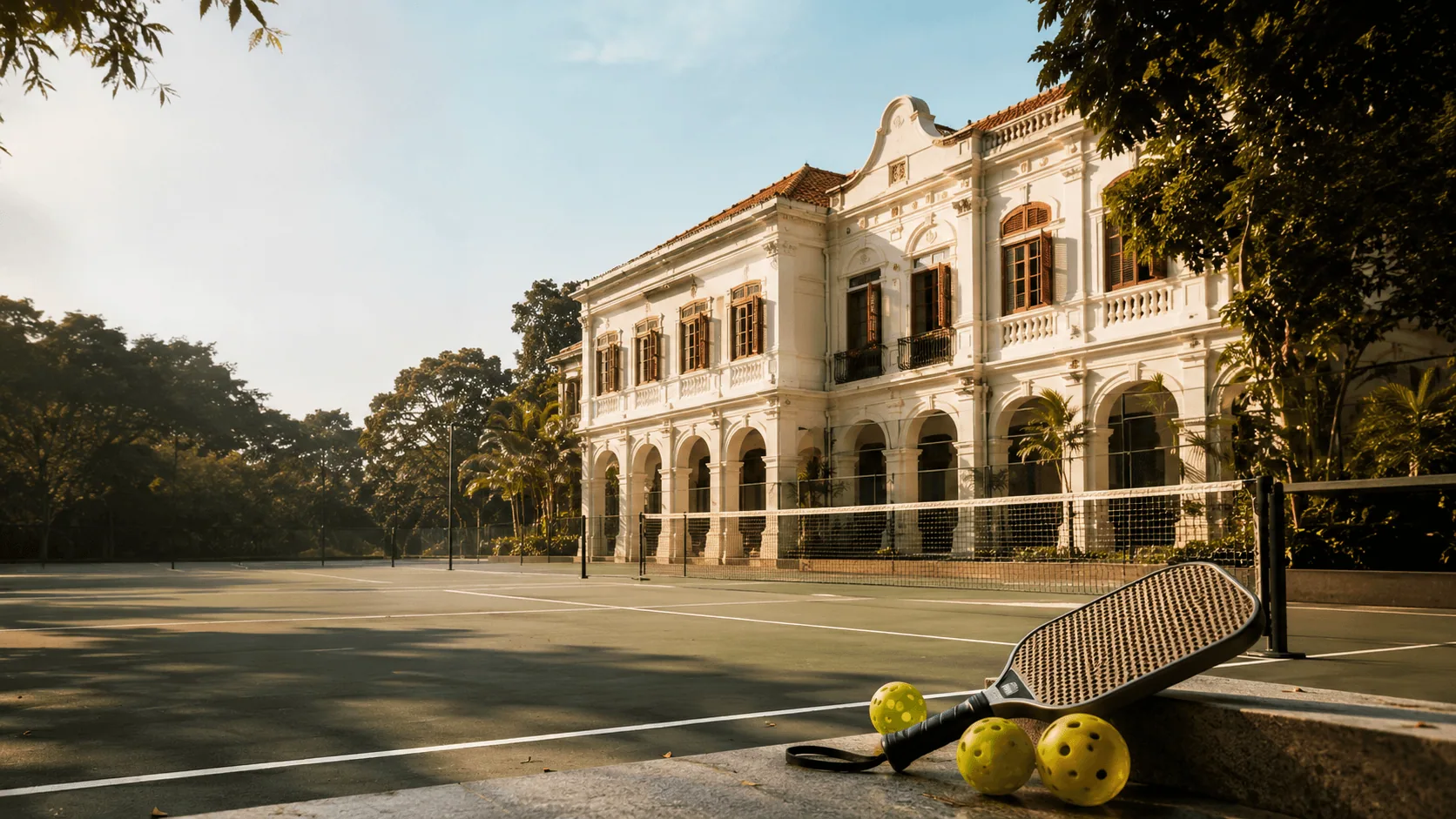
Introduction to Padel Drills
Padel, a racquet sport that combines elements of tennis and squash, has gained immense popularity among sports enthusiasts, especially in Malaysia. For beginners looking to dip their toes into this exciting game, mastering the fundamental skills is crucial. One of the most effective ways to build these skills is through dedicated drills. This article delves into various padel drills for beginners, focusing on enhancing control and footwork. These aspects not only improve overall performance but also make the game more enjoyable.
In addition to improving your skills on the court, practicing these drills regularly will also build your confidence. New players often feel overwhelmed when starting, but with focused practice, you'll find yourself progressing faster than expected.
The Importance of Footwork in Padel
Footwork is essential for any racquet sport, and padel is no exception. Good footwork allows players to position themselves effectively, enabling them to hit the ball with precision and power. For beginners, developing agile and responsive footwork is crucial as it lays the foundation for advanced techniques and strategies.
Understanding the court dimensions and the typical movements required during a match can drastically improve a player’s performance. Beginners often struggle to adapt their feet to the ball's trajectory, which can result in missed shots and wasted energy. By incorporating specific drills that focus on footwork, players can enhance their agility, speed, and overall court awareness.
Additionally, good footwork helps prevent injuries. Most injuries in padel arise from poor movement patterns and improper positioning. By building a solid foundation through footwork drills, players can minimize the risk of injury and sustain their playing careers.
Basic Padel Drills for Beginners
Engaging in basic padel drills is the best way to begin your training. These drills focus on core skills necessary for playing padel effectively. Here are some foundational drills to consider:
The Dash Drill
This drill focuses on enhancing lateral movement and responsiveness. Set up cones or markers about 3-5 meters apart. Start at one cone, sprint to the other, and return to the starting point as quickly as possible. Repeat this for a set period, gradually increasing your speed as you become more comfortable. This drill not only builds speed but also teaches players to change directions quickly, which is crucial during matches.
To make the drill more engaging, time yourself and try to improve your speed with each attempt. You can also incorporate variations, such as shuffling sideways instead of running straight.
Shadow Drills
Shadow drills involve mimicking the motions used during a match without hitting the ball. This helps beginners become familiar with powerful strokes and foot positioning. Stand in front of a mirror or video yourself to check your form. Focus on your foot placement and the rhythm of your movements.
As you perform shadow swings, imagine the ball coming towards you from various angles, and simulate the footwork needed for forehands and backhands. This mental rehearsal can be exceptionally helpful when you transition to live gameplay.
Drills to Enhance Control
Control is vital in padel, and beginners should prioritize developing this skill as they progress. The following drills aim to enhance ball control and placement:
Target Practice
Set up various targets within the court, such as specific areas or cones. Practice hitting the ball towards these targets. Start with larger targets and gradually move to smaller ones as your accuracy improves. This drill can be performed solo or with a partner, ensuring you focus on hand-eye coordination and shot placement.
As you get the hang of targeting, consider varying the height of your shots. Aim to practice groundstrokes, volleys, and lobs separately so you can gain greater control over different types of balls you might encounter during a match.
Bounce and Receive Drill
In this drill, one player serves the ball to another player who is positioned to receive. The receiver then practices returning the ball to a specific area. This exercise can be great for improving control, as it requires players to focus on where they send the ball after returning it. Change roles after a set number of shots to ensure both players benefit.
A good tip is to also practice adding spin to your returns. This will give you a better understanding of how spin influences the ball’s trajectory and how you can control it effectively.
Movement Drills for Better Footwork
Improving movement on the court is essential for effective gameplay. The following drills help players become more agile and responsive:
Ladder Drills
Using an agility ladder, perform various foot movement patterns to increase speed and coordination. These patterns can include lateral shuffles, quick steps, and hops. Ensure that you keep your movements low and controlled to build proper technique while enhancing foot speed.
Vary your drills to include both single-foot and double-foot movements, such as single-leg hops or crossover steps. This not only makes your practice session more interesting but also challenges different aspects of your footwork.
Multidirectional Sprints
In addition to straight sprints, practice multidirectional movements. This drill enhances your ability to move in various directions quickly. Use cones to set up a format that demands lateral, forward, and backward sprints, ensuring your body learns to adapt to situations similar to match play.
You can implement a drill where you shuffle left and right between cones placed in a zig-zag pattern. This replicates the movements often required in a match when responding to your opponent’s shots.
Partner Drills for Practice
Training with a partner can be beneficial for honing skills more effectively. Here are some partner-focused drills:
Rally Drill
Engage in a rally with a partner, focusing on controlling the ball over the net. Make a conscious effort to keep the ball in play while also varying speeds and spins to challenge each other. This not only improves your control but also helps you work on anticipating your partner’s shots.
Another useful variation is to practice one specific shot during your rally, like only forehands or backhands. This allows you to concentrate entirely on perfecting that stroke.
Serve and Volley Drill
Work on serves and volleys with your partner. One player serves the ball, and the other works on their approach and volleying skills. This drill is crucial for understanding timing and placement, essential for effective gameplay. Alternate roles to ensure both players gain equal experience.
Incorporate different serve types like slice, kick, or flat serves to have your partner adapt their volleys accordingly. This will prepare you both for real match conditions where serves can vary widely.
Solo Drills for Individual Practice
For those who may lack a partner or prefer solo training, here are drills you can do on your own:
Ball Wall Drills
A wall can be a great training partner when no one is available. Hit the ball against the wall and focus on the control of your strikes. Practice different shot types—forehands, backhands, and volleys. This helps in developing precision and timing as the ball rebounds towards you.
As you progress, try to set goals for yourself, like hitting a certain number of successful returns in a row or adjusting the angle of your shots to keep the ball in play longer.
Shadow Swings with Footwork
While shadow swings can generally be seen as a warm-up, it is an excellent solo drill focused on both swings and footwork. Execute your strokes while incorporating the footwork patterns you would use in a match. This creates muscle memory for when you’re actually on the court and needing to combine these two elements effectively.
Record yourself during these sessions to analyze your movements. Look for areas where you can improve your foot positioning and swing mechanics based on what you see on video.
Staying Consistent with Drills
Consistency is key in progressing as a padel player. Setting a routine that includes these drills will help you build a stronger foundation in your game. Aim to practice several times a week, incorporating a mix of the drills discussed to target different skills.
Documenting your progress can also help to identify areas needing improvement. You can keep a practice log detailing what drills you performed, any challenges you faced, and improvements noticed. This can provide excellent motivation and ensure you're always working towards the next goal.
Joining a local club or engaging with fellow beginners can offer additional motivation and resources for drills. Engaging in practice matches can also solidify the skills you've developed through drills. Always remember that improvement takes time and dedicated effort, so stay patient and committed to your practice routine.
Incorporating rest and recovery as part of your training schedule is also vital. Taking breaks helps muscles recover and can prevent burnout, enhancing your performance in the long run.
Ready to play at Heritage Courts?
Book a pickleball or padel court in George Town, or explore our academy programmes.