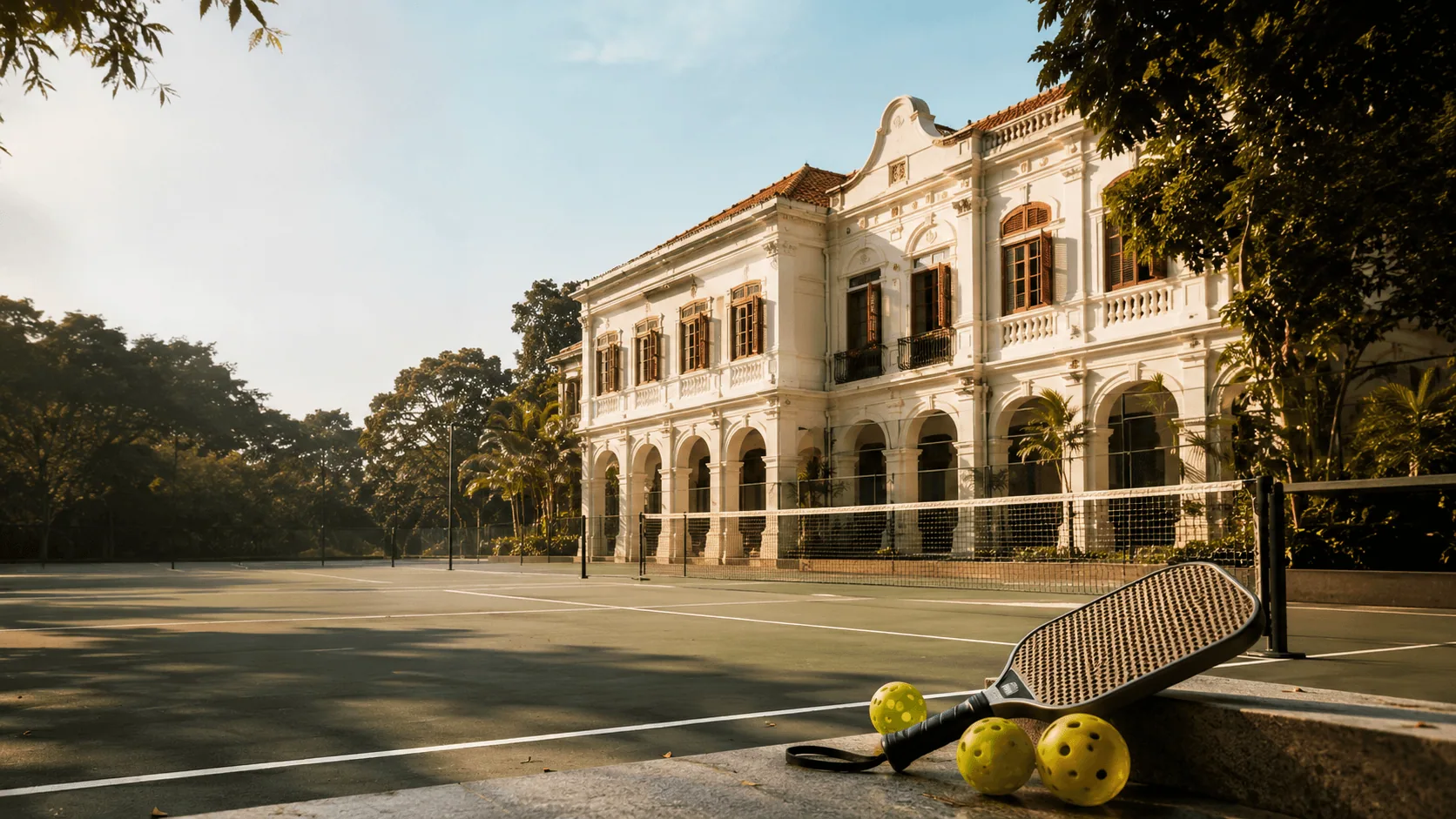
What Is Padel?
Padel is a racquet sport that combines elements of tennis and squash, and it is primarily played in doubles format. The game was invented in 1969 in Acapulco, Mexico, and has since gained immense popularity around the world, particularly in Spain and Latin America. Padel appeals to various age groups and skill levels, making it a beloved choice for enthusiasts and newcomers alike.
In padel, players use solid rackets and a low-compression ball, which leads to a fast-paced and engaging game characterized by quick reflexes and strategic shot placement. The sport emphasizes teamwork, with players needing to collaborate closely with their partners to win matches and have fun. The nature of the gameplay allows for both casual play and competitive tournaments, catering to varying levels of player commitment.
Initially just a niche sport, padel has seen a remarkable rise globally, with courts appearing in urban areas, resorts, and recreational centers. In Malaysia, for example, the growing interest in padel can be attributed to extensive media coverage and increasing accessibility to facilities, as more and more clubs are being established to meet the demand.
Padel Rules
Understanding the rules of padel is essential for both players and spectators. Padel shares many similarities with tennis, but there are some critical differences that make it unique. A match begins with an underhand serve, and players must serve diagonally into the opponent’s service box. The server must have at least one foot behind the service line until the ball is struck, which helps keep the serve fair and strategic.
After the serve, each team must return the ball before it bounces twice. Players are allowed to use the walls surrounding the court to bounce the ball back into play, making for exciting rallies and requiring quick decision-making. Players cannot hit the ball on the volley after it has rebounded off a wall; they must let it bounce in their half first.
The scoring system in padel follows tennis conventions, with points counted as 15, 30, 40, and game point. Matches are typically played in a best-of-three format, where winning two sets determines the overall winner. If both teams reach five games, a tiebreaker system comes into play. It’s important for players to confirm the rules at the beginning of a match, as they can vary by club or tournament.
In addition to general match rules, specific guidelines also govern player behavior. Good sportsmanship is expected, with players encouraged to respect opponents and maintain a positive atmosphere on the court. Creating a friendly environment not only enhances the experience but also draws more players to the sport.
Padel Court Layout
The design of a padel court is distinct and integral to the game. A standard padel court measures 20 meters long and 10 meters wide, enclosed by glass and metallic walls on all four sides. The height of the walls is typically around 3 meters on the sides and 4 meters at the back, allowing players to take advantage of rebounds for complex shots.
The court is divided into two equal halves by a net, similar to those in tennis, facilitating matches between opposing teams. The service boxes, located at the front of each half, delineate where players must aim their serves. Each team occupies one side of the net, with the goal of hitting the ball into the opponent's court without letting it bounce twice.
Walls play a crucial role in adapting the game style. Players can use the walls strategically to create angles or set up challenging returns for their opponents. This unique feature of padel courts enables diverse shot-making tactics that necessitate quick thinking and fast reflexes.
The overall design of the court not only impacts gameplay but also nurtures a social atmosphere. Since padel is primarily played in doubles, each match includes four players, which fosters friendly competition, collaboration, and camaraderie. Clubs often accommodate multiple courts, allowing for organized tournaments and events while encouraging social interaction among players.
Scoring System in Padel
Understanding the scoring system is critical to enjoying and following a padel match. The system adapts tennis scoring, which can confuse newcomers. Points in padel are counted as follows: 0 (referred to as 'love'), 15, 30, 40, and game point. If both teams reach 40 points, the scores are referred to as "deuce," and a player must gain a two-point advantage to win the game.
A match consists of sets, and each set is typically played to six games, with teams needing to win by a margin of two games to secure the set. In the event teams tie at 5-5, a tiebreaker may be utilized. Players should familiarize themselves with local rules, as tournaments may adopt variations in scoring, such as using simplified formats.
The engaging aspect of padel scoring lies in the ability to adapt tactics mid-match. Players can rely on strategies involving positioning, shot selection, and wall placements to gain advantageous scenarios. Observing and adjusting to their opponents’ strategies enhances the competitive spirit, creating thrilling match scenarios.
How to Play Padel
Learning how to play padel is both straightforward and rewarding. The game begins with teams of two on either side of the net. The match commences with a serve made from the right side of the court. The server must hit the ball so that it lands in the designated service box, adhering to the rules about foot placement and underhand serve. This initial serve sets the tone for the match and can often create immediate scoring opportunities for the serving team.
Once the serve is successful, the goal for each team is to return the ball, hitting it back to the opponent's side. Players can utilize various shots such as volleys, lobs, and smashes to outmaneuver their opponents. Mastering these techniques is key to becoming proficient in padel. Additionally, it's essential for players to develop strong communication skills with partners, as they need to strategize effectively to ensure coordinated movements.
The flow of a typical game often involves long rallies, with players returning the ball multiple times. Players can use the wall to bounce the ball and create angles that make returns difficult for their opponents. Timing and anticipation are vital, as players must be prepared for quick exchanges and changing game dynamics. By focusing on footwork and positioning, players can improve their chances of success.
Frequent practice and playing matches with others will substantially enhance players’ understanding of the game. Many clubs offer beginner classes, tournaments, and open courts, providing ample opportunities for individuals looking to join the padel community.
Padel Equipment
The equipment needed to play padel is minimal, making it an attractive sport for newcomers. The most important piece of equipment is the padel racket. Unlike traditional tennis rackets, padel rackets are solid and without strings, often made of composite materials to ensure they balance strength and control. Rackets come in a variety of shapes and weights and can significantly influence a player's performance. Novices should experiment with different models to find one that feels comfortable and suits their style of play.
In addition to a racket, players use a low-compression padel ball, which is slightly softer than a standard tennis ball. This type of ball allows for longer rallies and is designed to enhance gameplay while reducing the impact on players’ elbows and shoulders. Many brands produce padel balls, ensuring players can find quality options suitable for their skill level.
Regarding attire, players should wear sports clothing that allows freedom of movement. Specialized shoes are also beneficial, as they offer grip on the court surface and support during fast-paced movements. While additional accessories like headbands and wristbands can enhance comfort and performance, the basic requirements revolve around the racket and the ball, making padel accessible for many.
The Growing Popularity of Padel
Padel's rise in popularity over the past decade has been nothing short of impressive. Initially gaining traction in Spain, where it became a social phenomenon, padel has been spreading worldwide. Countries such as Italy, Sweden, and now Malaysia are investing in padel facilities and clubs, which help attract new players. Media exposure, celebrity endorsements, and international tournaments have further fueled interest in the sport.
Many factors contribute to the growing popularity of padel. Its relatively simple learning curve makes it an excellent option for players of all ages. The fast-paced game, combined with social elements, makes padel appealing to families, professionals, and casual enthusiasts. Additionally, the ability to play doubles fosters social interaction, which encourages people to invite friends along, creating a vibrant community atmosphere around the sport.
As more clubs open and facilities become available, players easily access the game, leading to increased participation. Tournaments, leagues, and social events are becoming common, helping establish padel's presence in local sporting scenes. In Malaysia, governmental support for sports development further aids padel's expansion, making it a focal point for recreational engagement.
Benefits of Playing Padel
Playing padel offers numerous health benefits, ranging from physical fitness to mental well-being. As a high-energy sport, padel enhances cardiovascular fitness, strength, and flexibility. The need for quick movements and coordination plays a significant role in improving players’ endurance and overall fitness levels. Regularly engaging in padel helps players maintain a healthy weight and improve muscle tone.
Mental benefits are equally significant. Padel encourages teamwork and builds friendships, as players often form connections with partners and opponents. Establishing a sense of community is vital for fostering social bonds and increasing the enjoyment of the game. Additionally, the tactical nature of padel challenges players to think critically, enhancing problem-solving skills and concentration.
Beyond the physical and social aspects, the simple enjoyment of playing padel contributes to overall well-being. It is an opportunity for stress relief, allowing players to escape daily routines and immerse themselves in the sport. By participating in padel, individuals can foster a fun, active lifestyle while enjoying the numerous benefits that come with regular physical activity.
Ready to play at Heritage Courts?
Book a pickleball or padel court in George Town, or explore our academy programmes.